


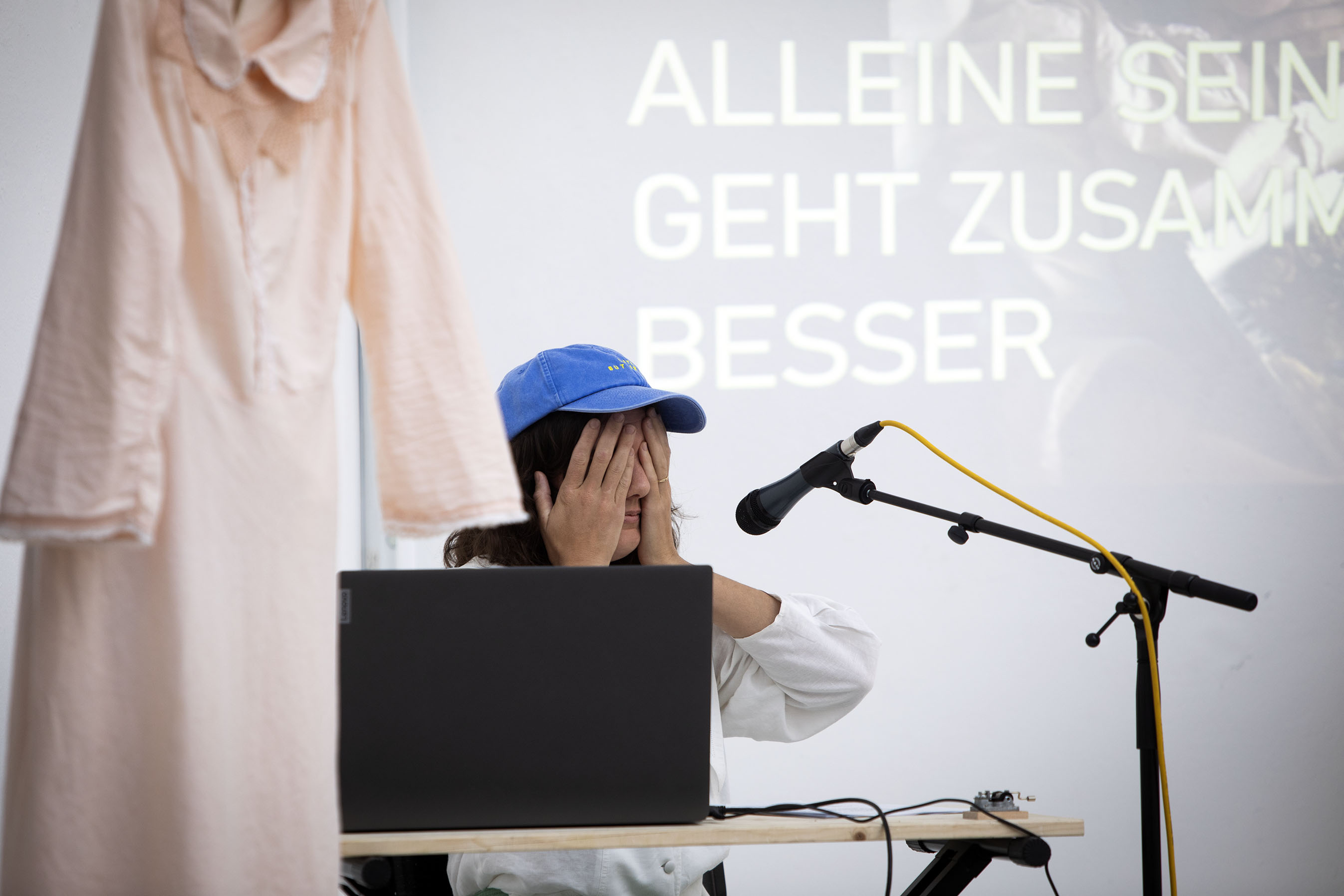


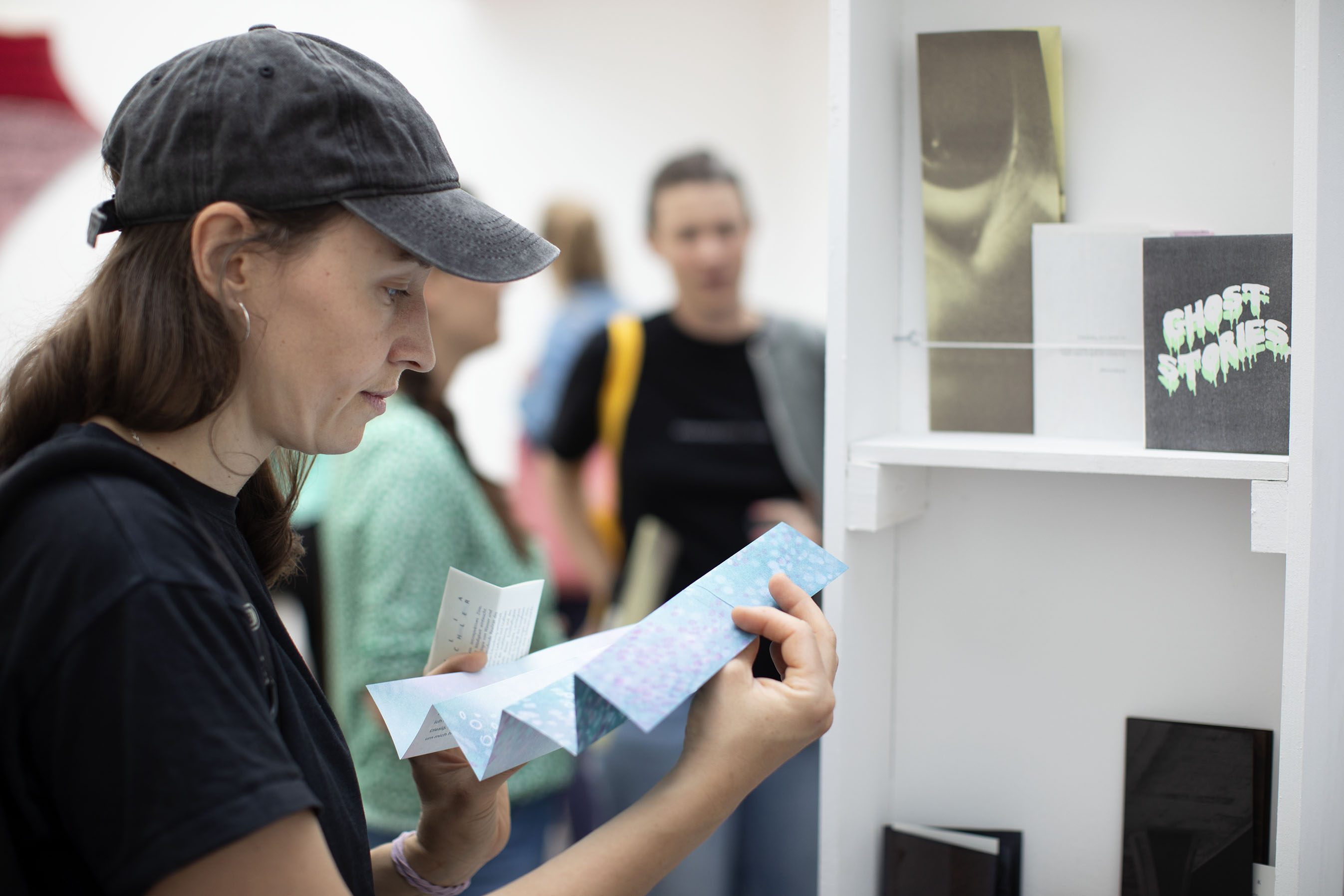
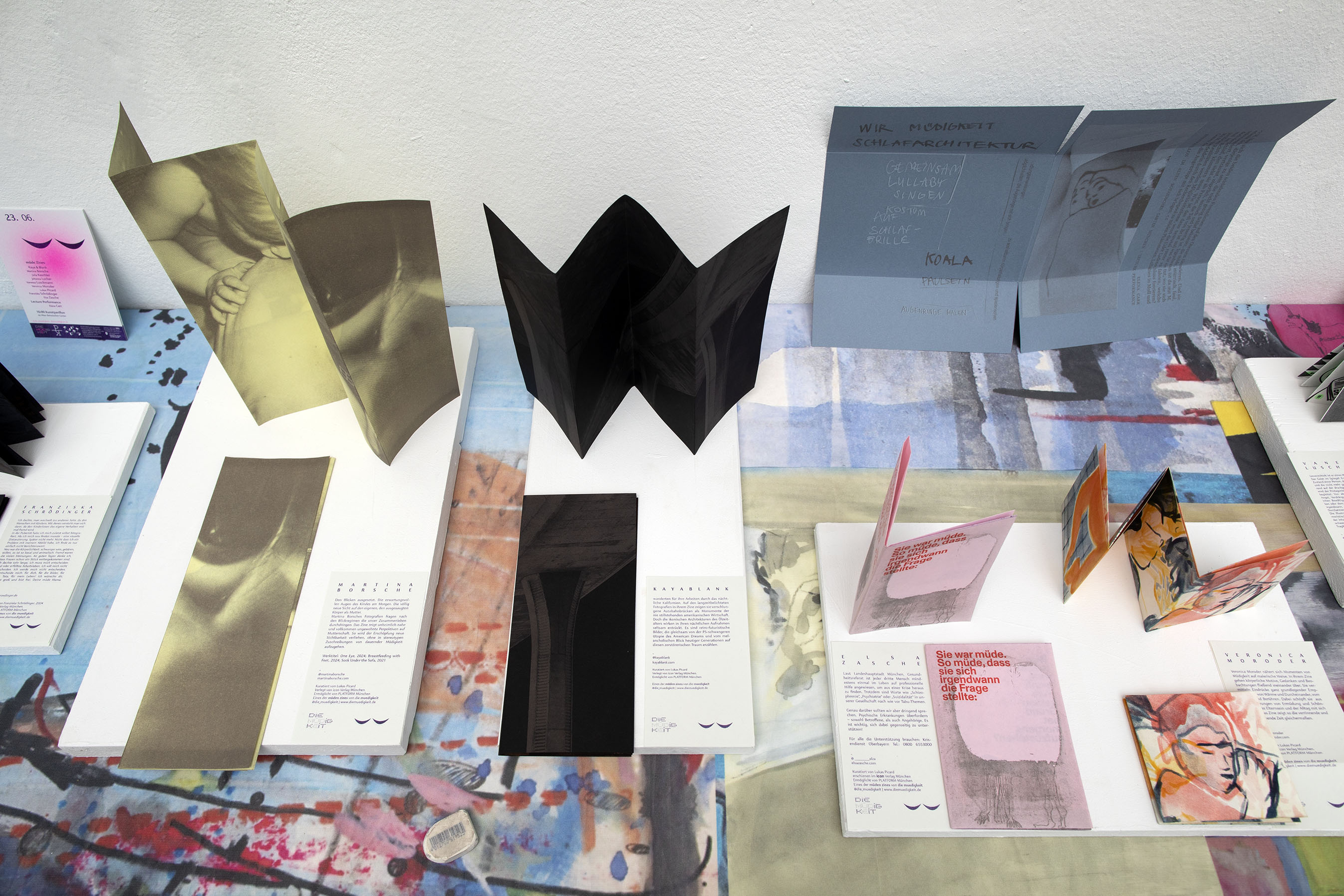
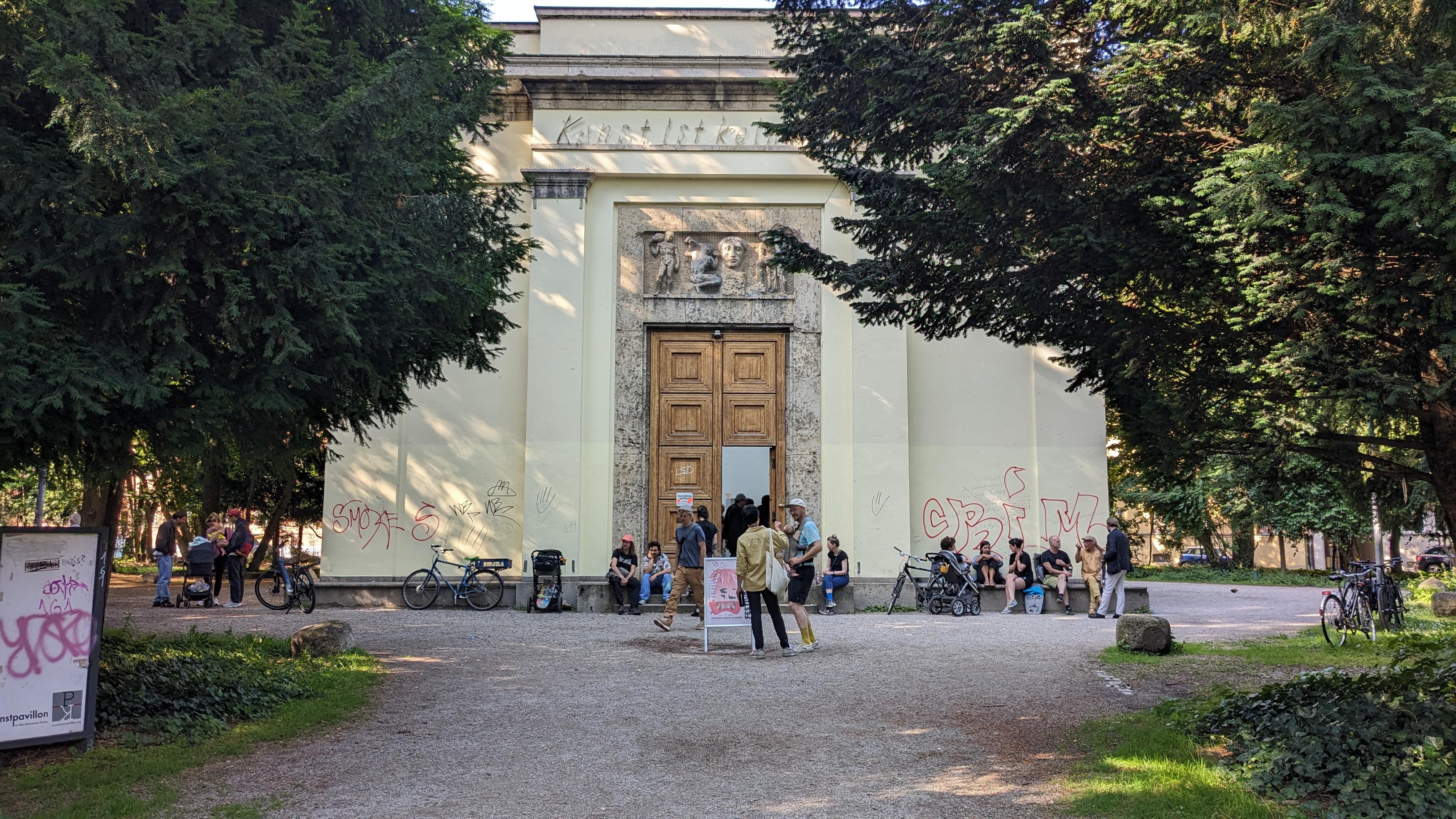

Die Müdigkeit Lecture Performance
as part of the PLATFORM Zine-Release
Curated by Lukas Picard, PLATFORM München | Kunstpavillon in the Old Botanical Garden (Munich GER, 2024)
@diemuedigkeit
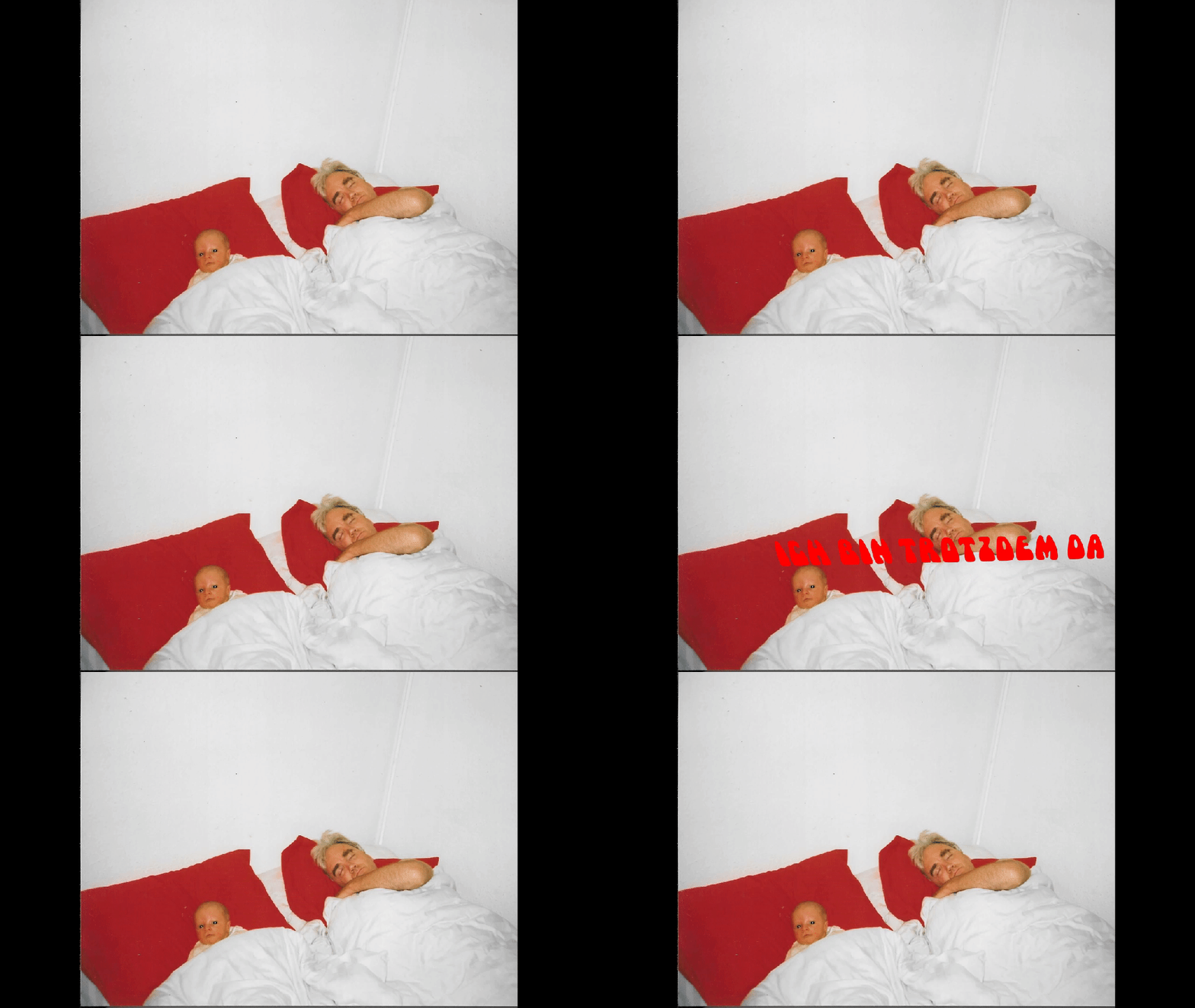
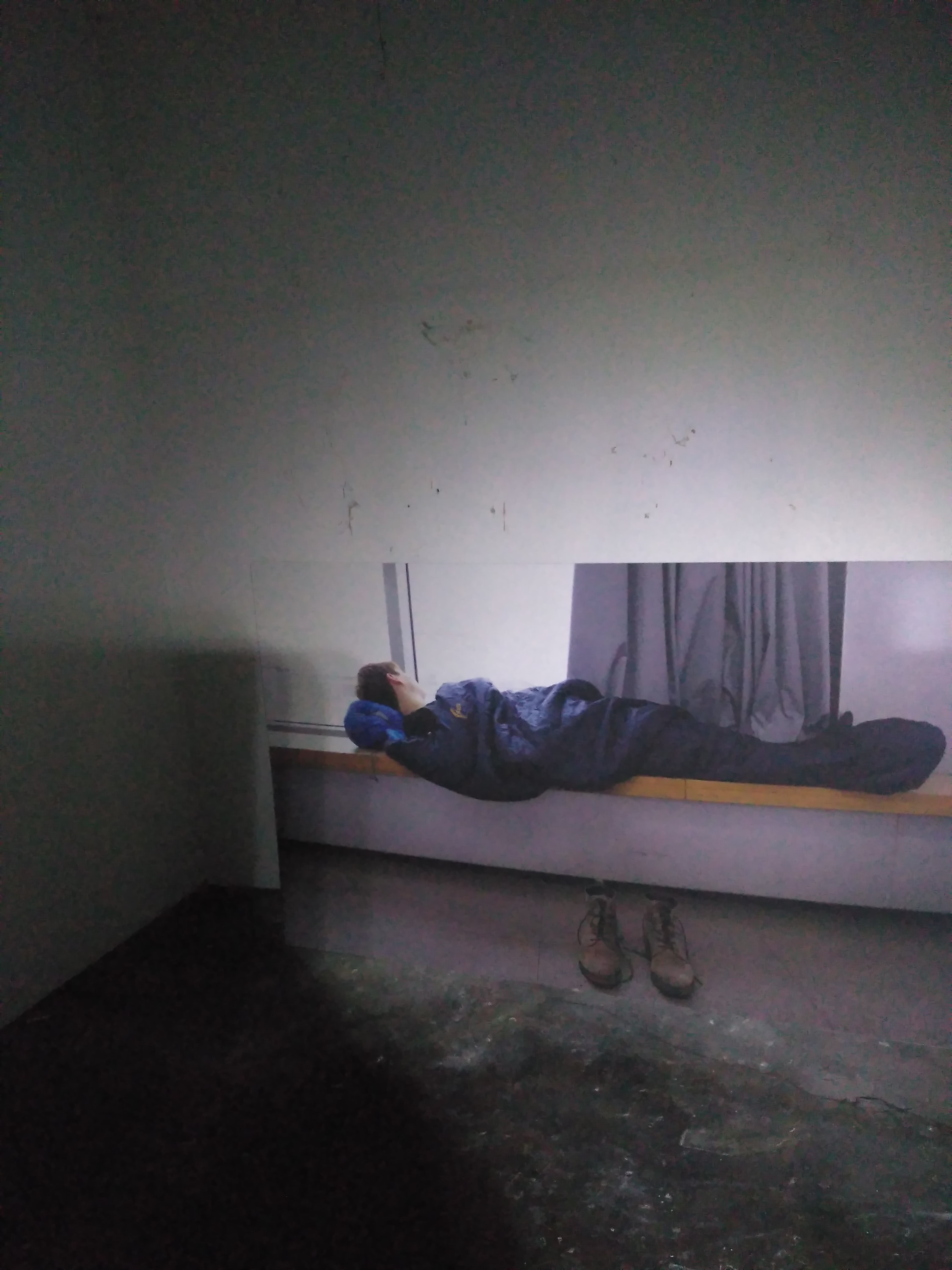
>> M. has the two sleeping friends tattooed on her upper arm. And she allows herself to be the one who doesn’t get enough sleep, who is tired, grumpy, lazy, unfocussed, dreamy, hesitant, moody and otherworldly.
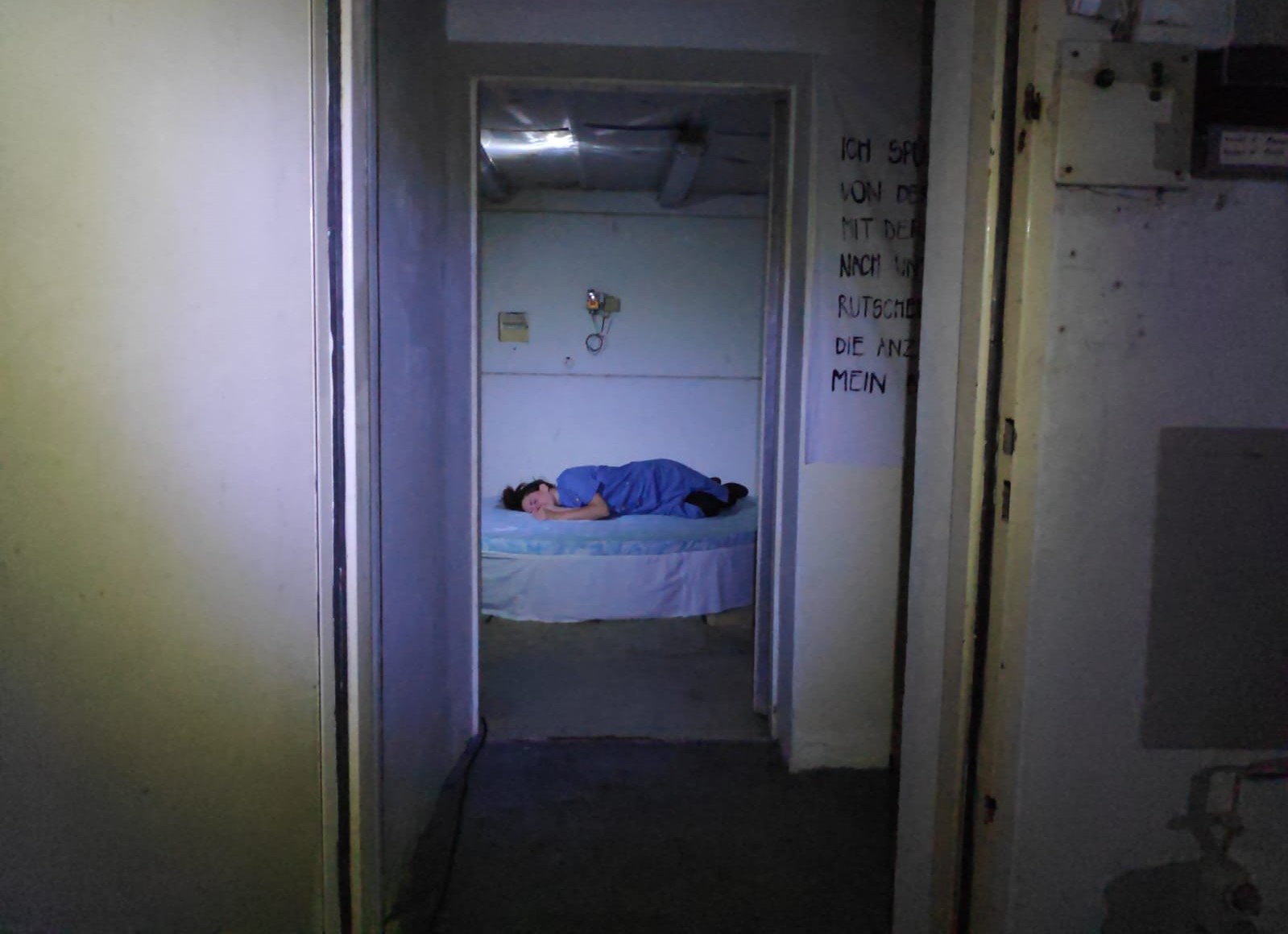
At some point, sleep does come to M., she sees it as a person who is part of her and does something for her, where she doesn’t have to care about anything. What is it like to shut down neuronally, which parallel realities become rooms for manoeuvre when the eyelids force shop closing time? With M. across my research pool on fatigue phenomena, lullabies in minor keys and gestures resulting from eyerings. <<
Lecture Performance | Elena Carr
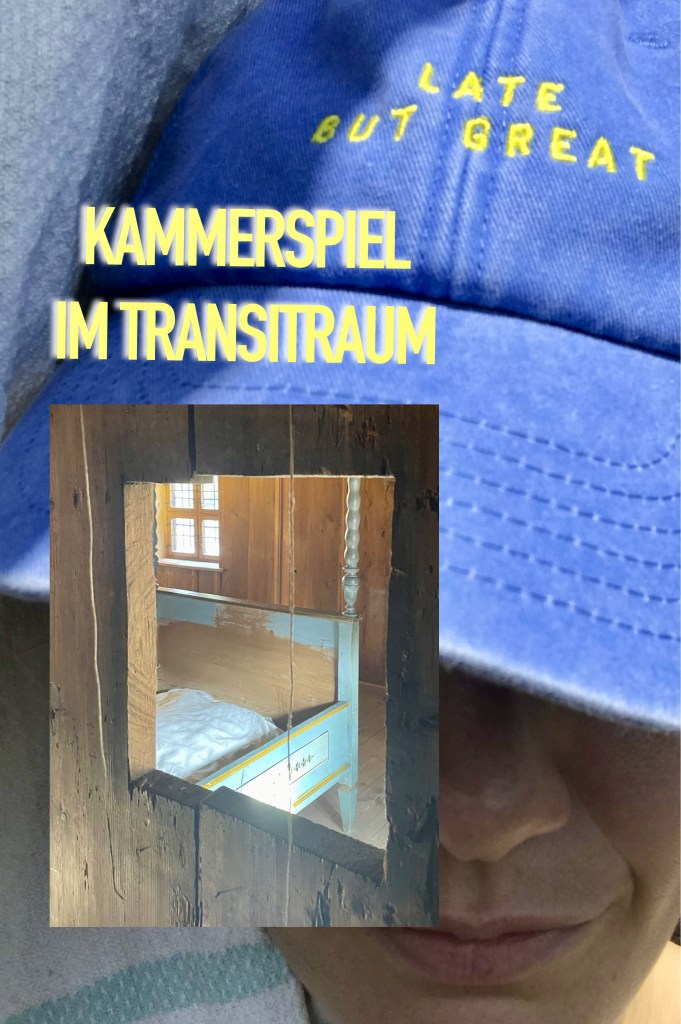
KAMMERSPIEL
IM TRANSITRAUM
ADAPTION OF DIE MÜDIGKEIT, LECTURE PERFORMANCE
April 16th 2026
Museum Starnberger See
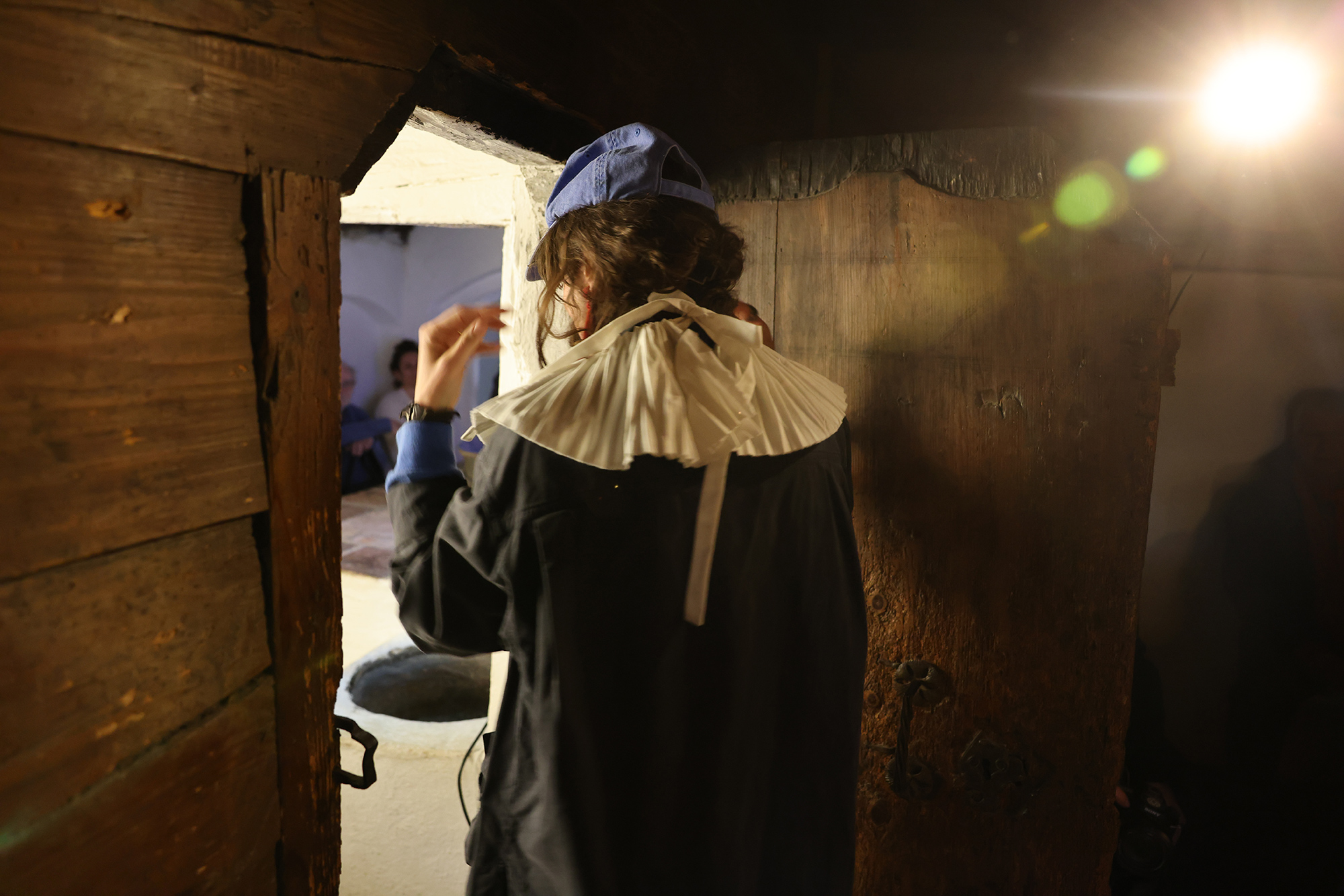
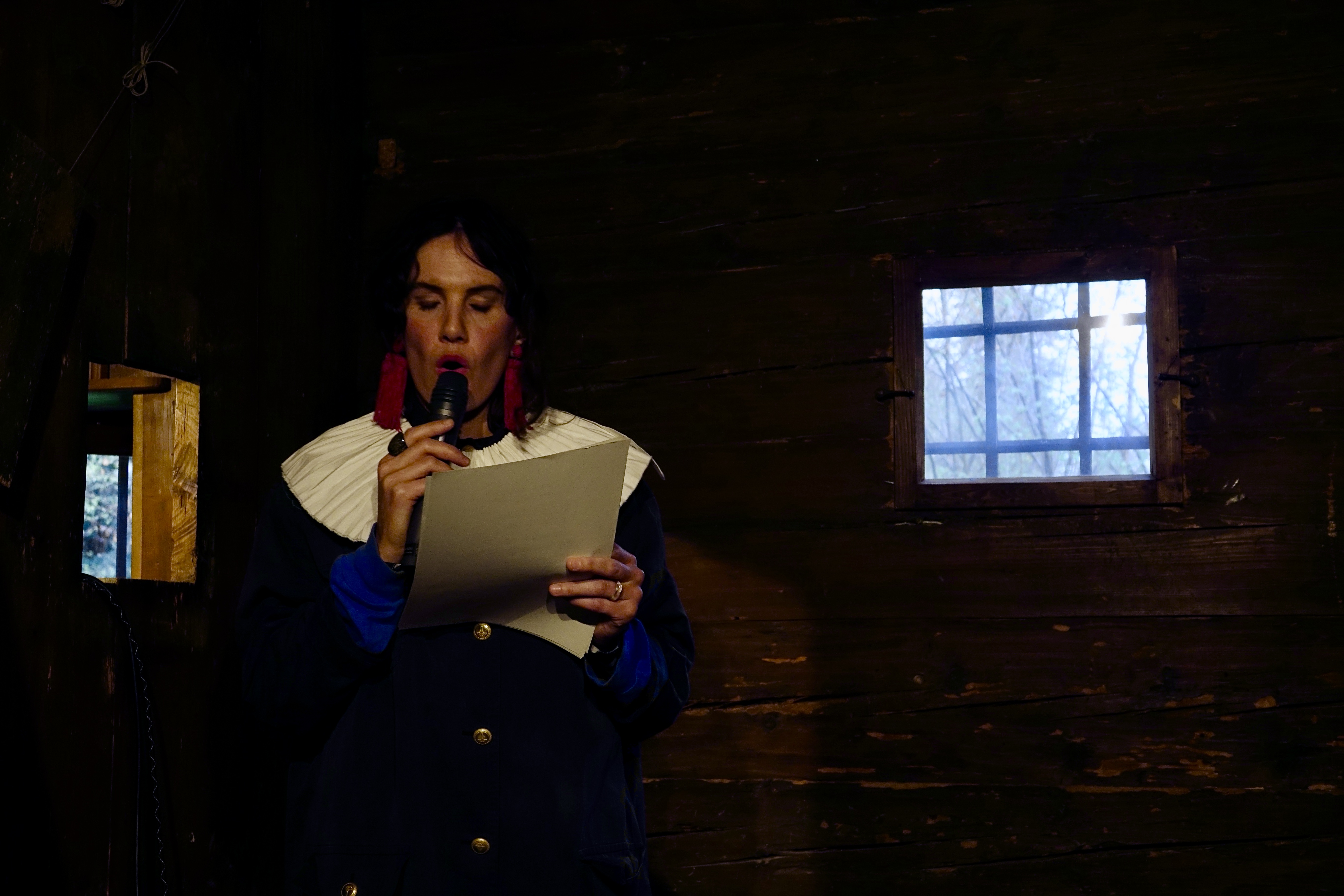
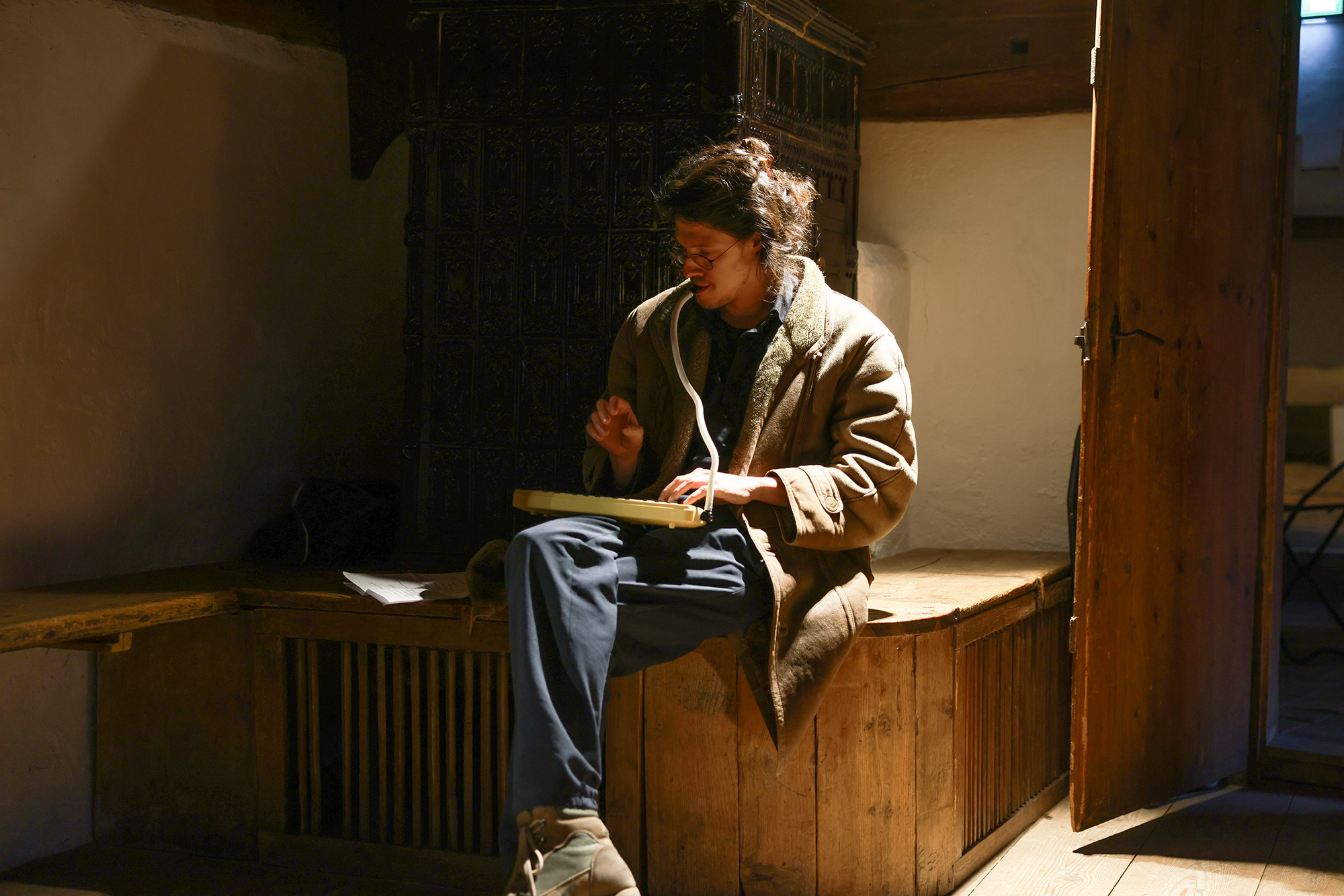
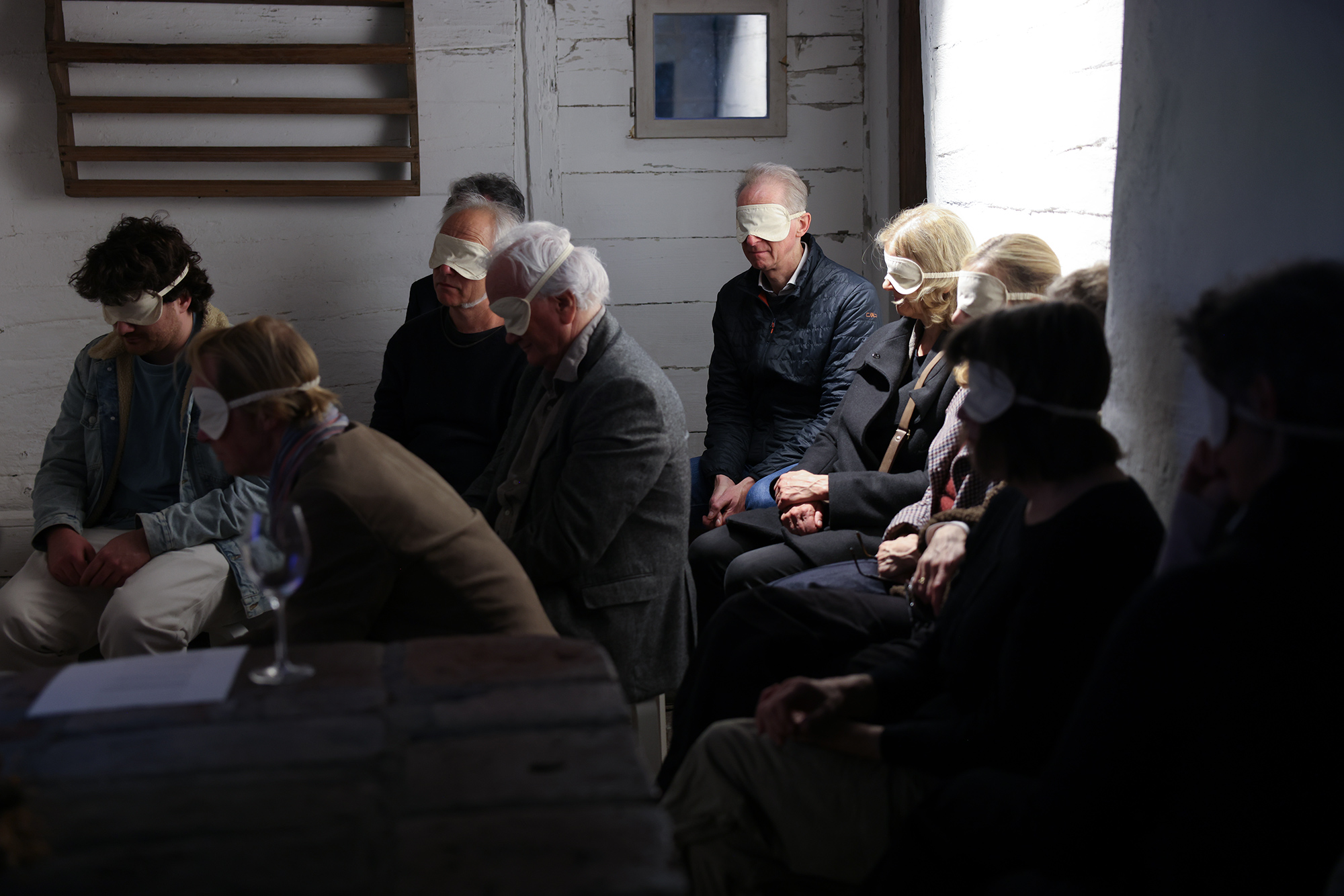
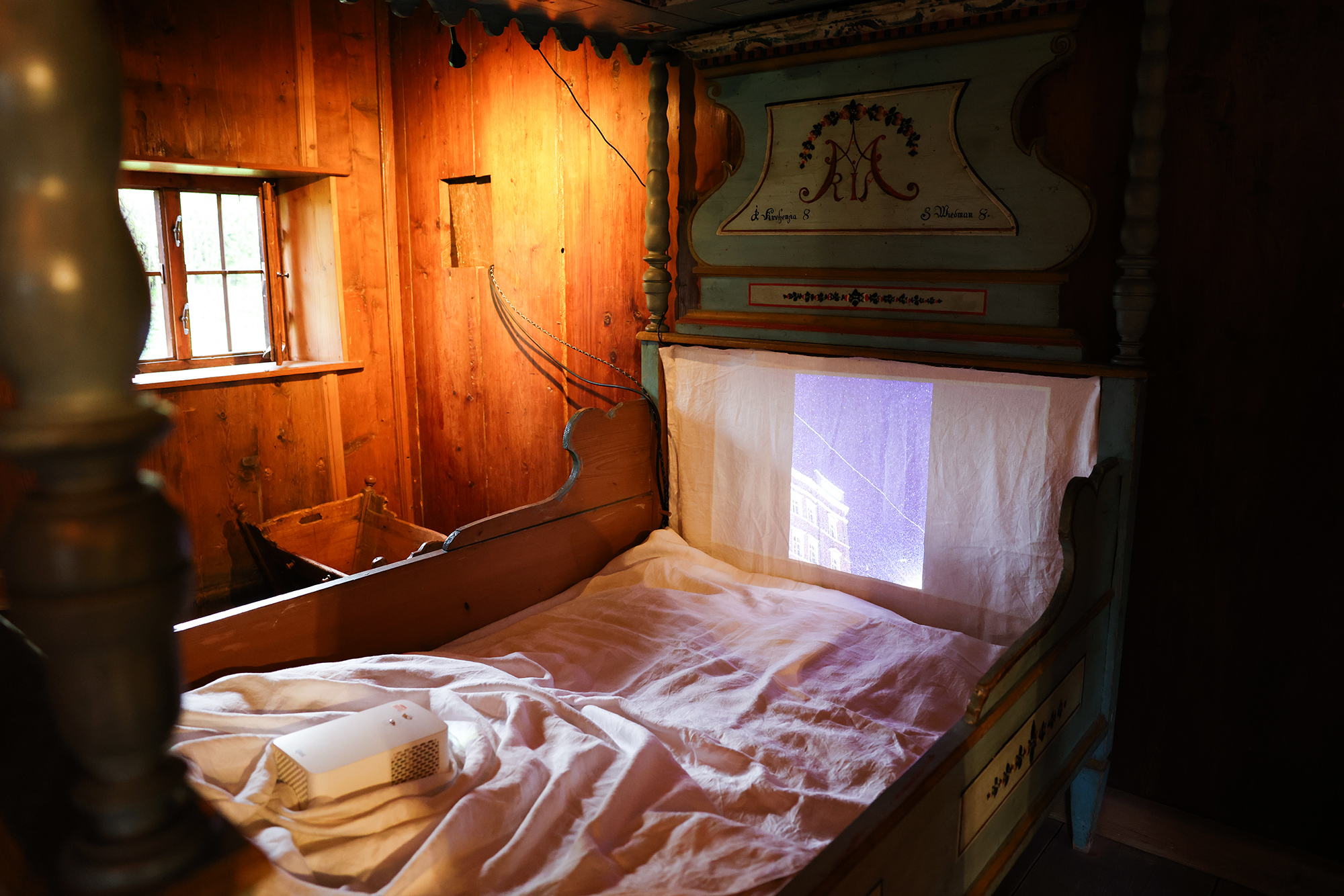
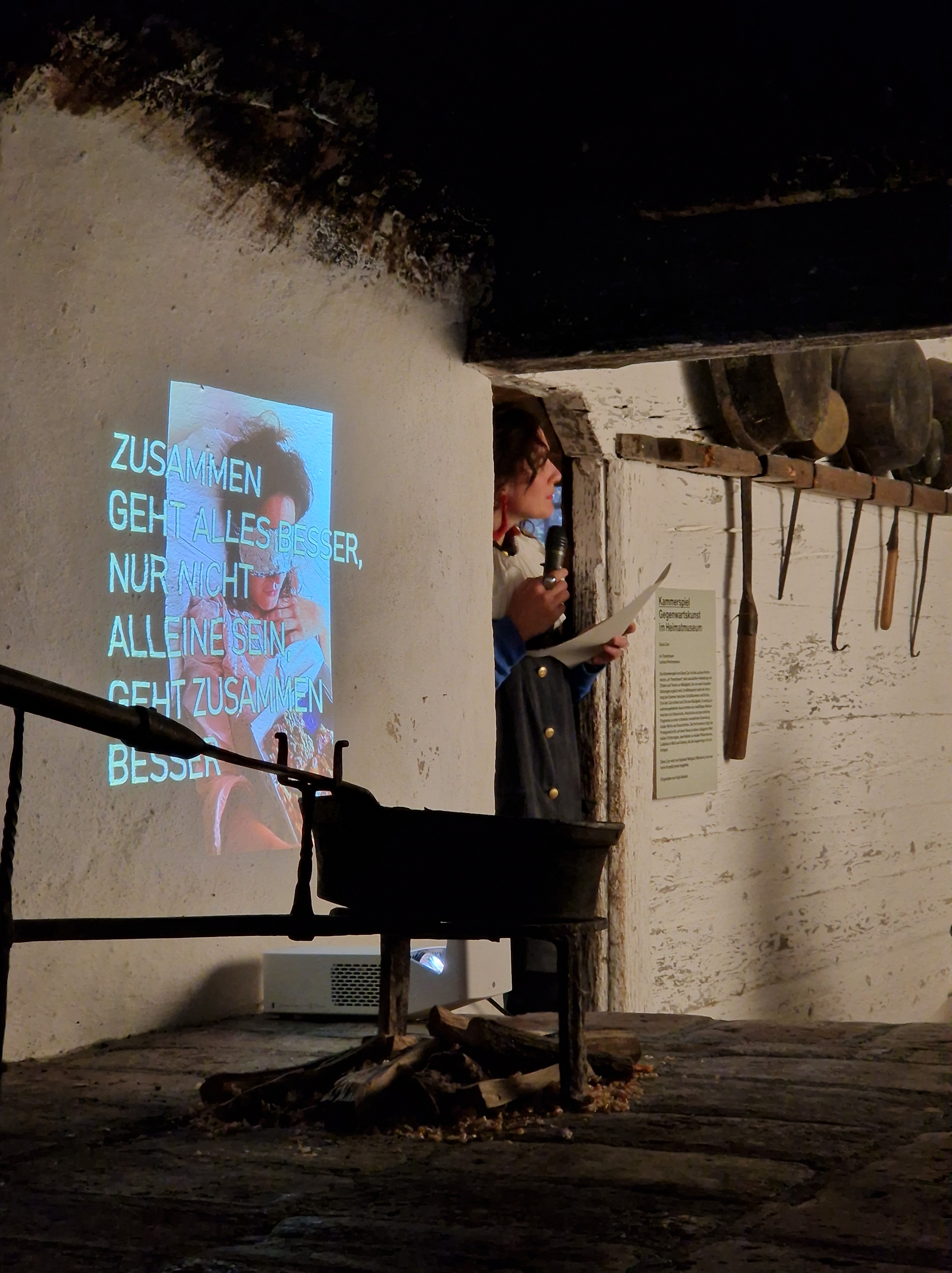
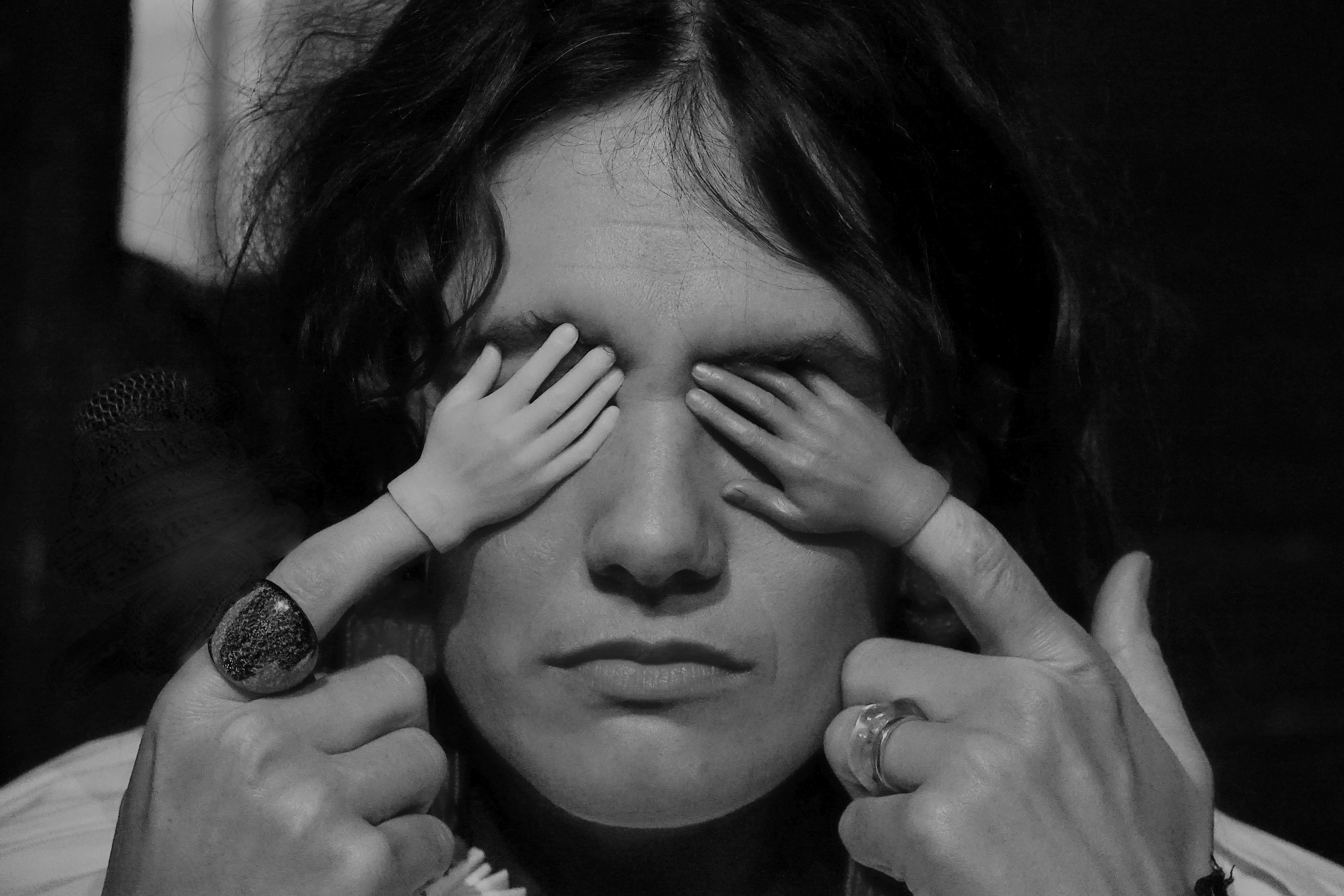
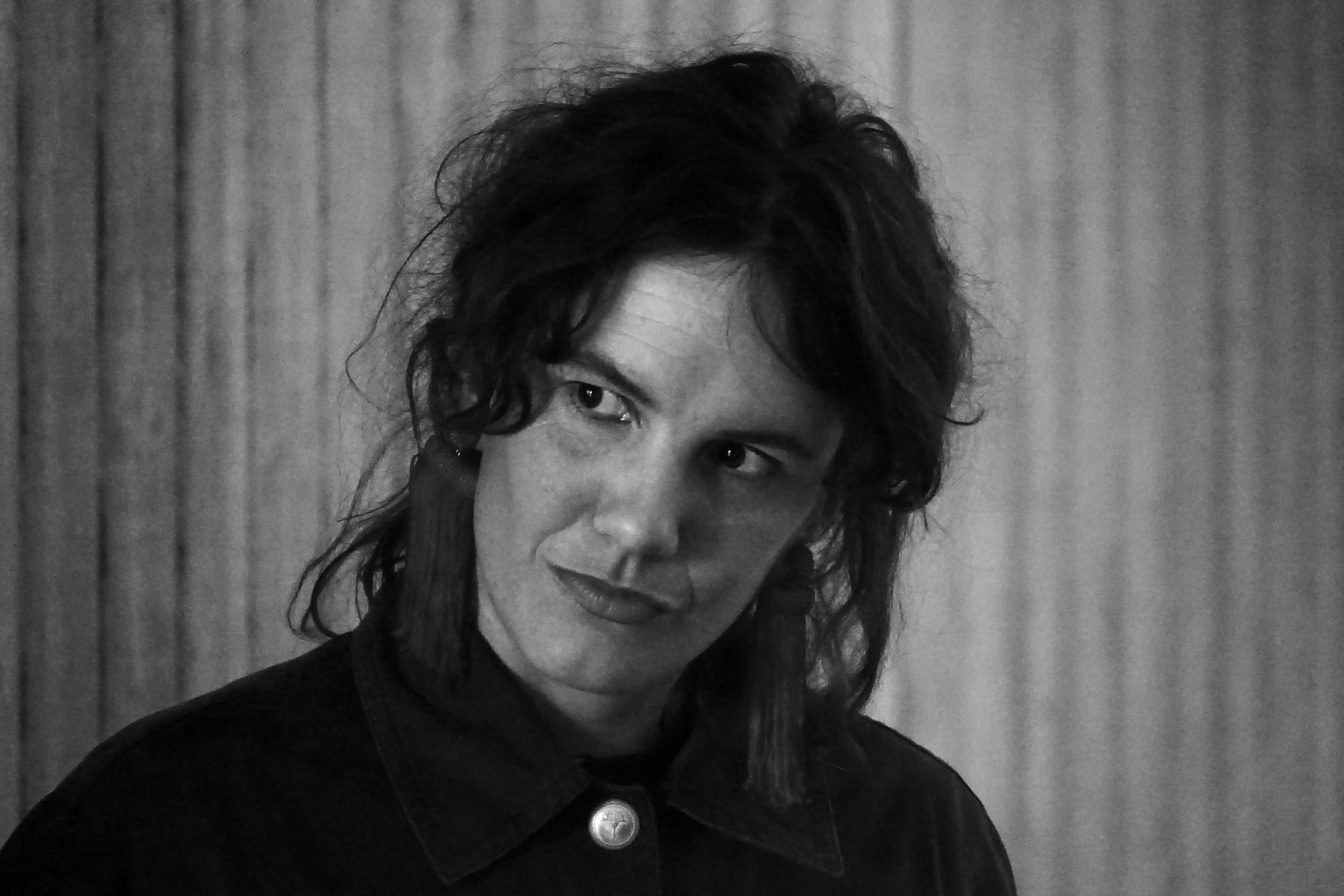
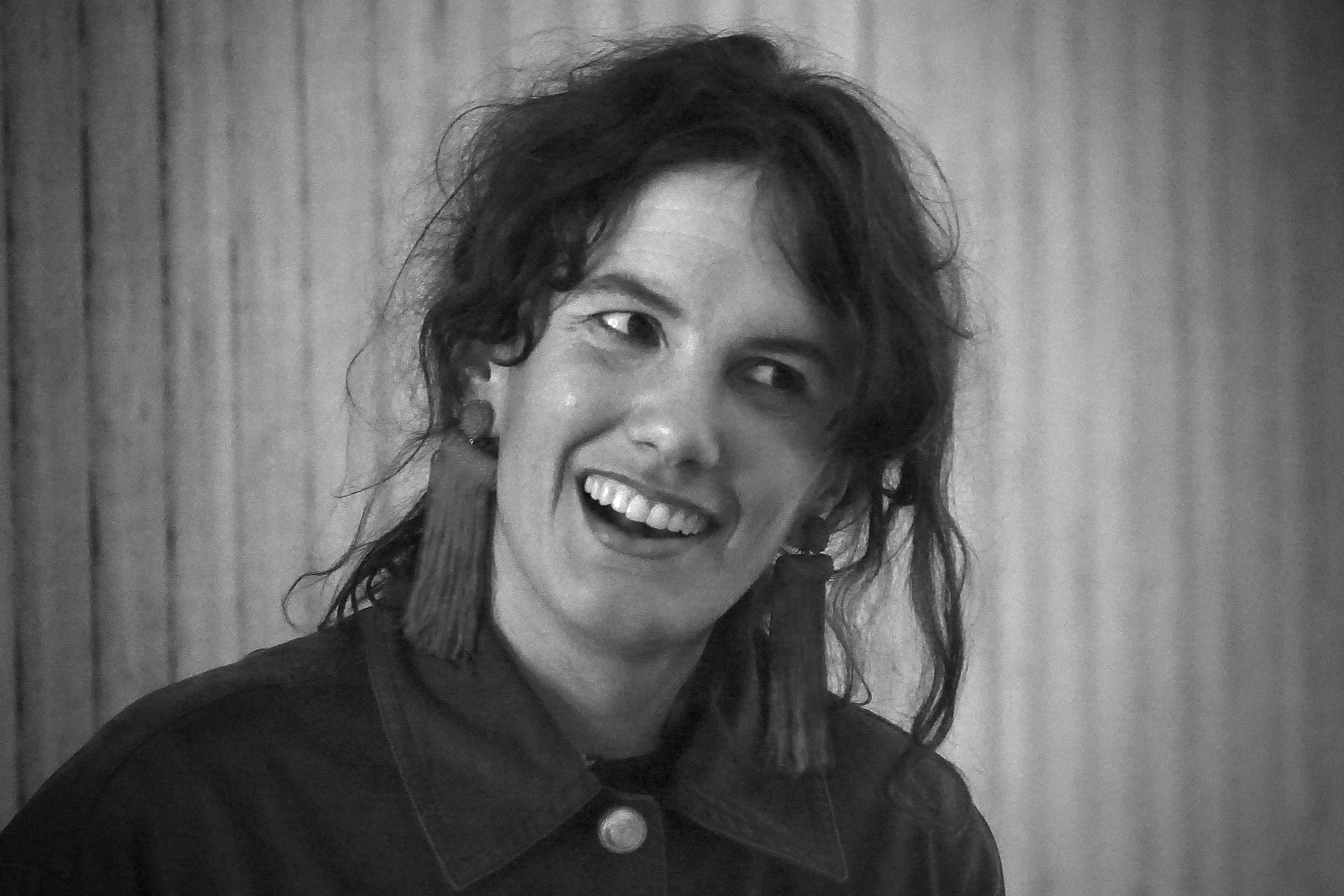
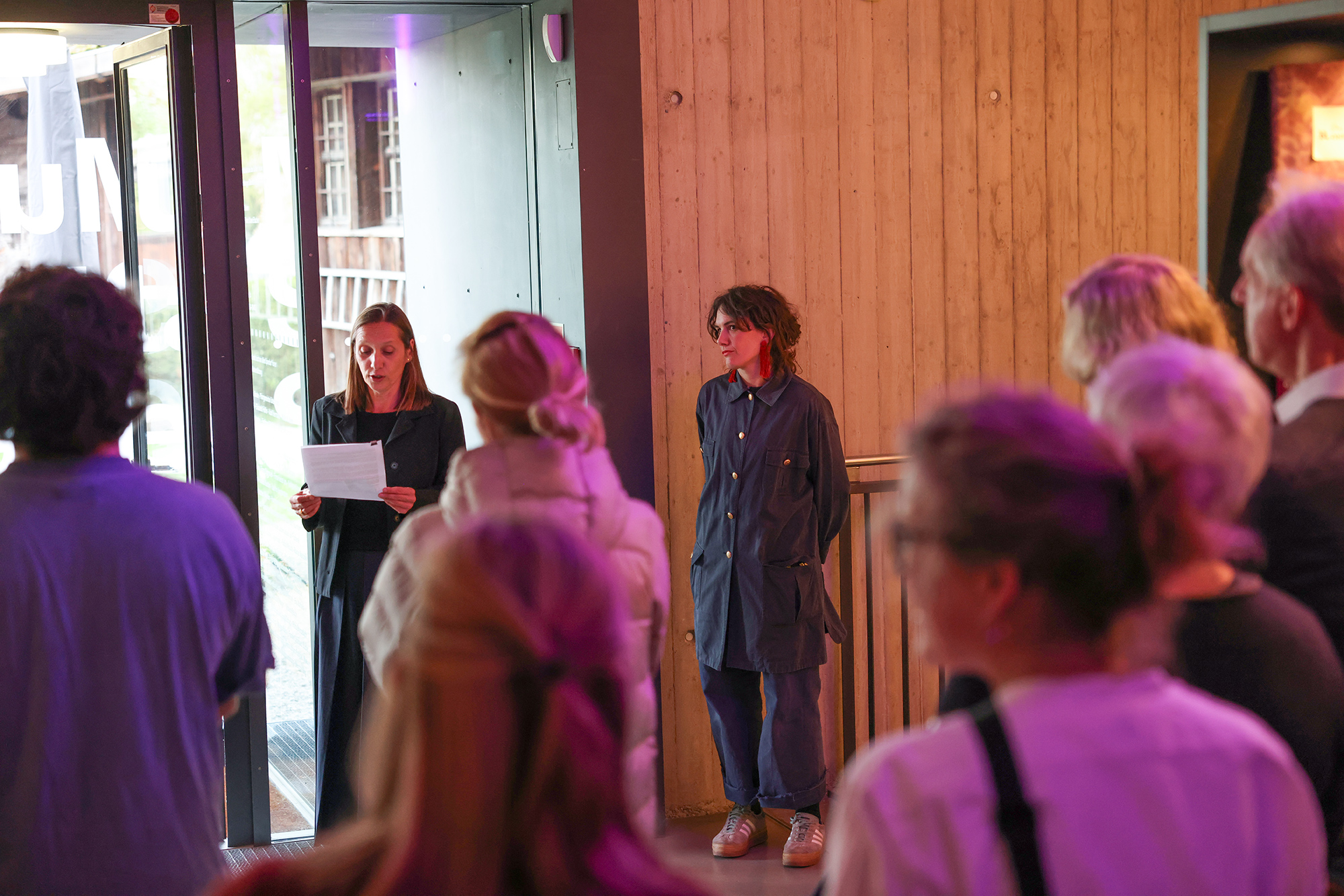
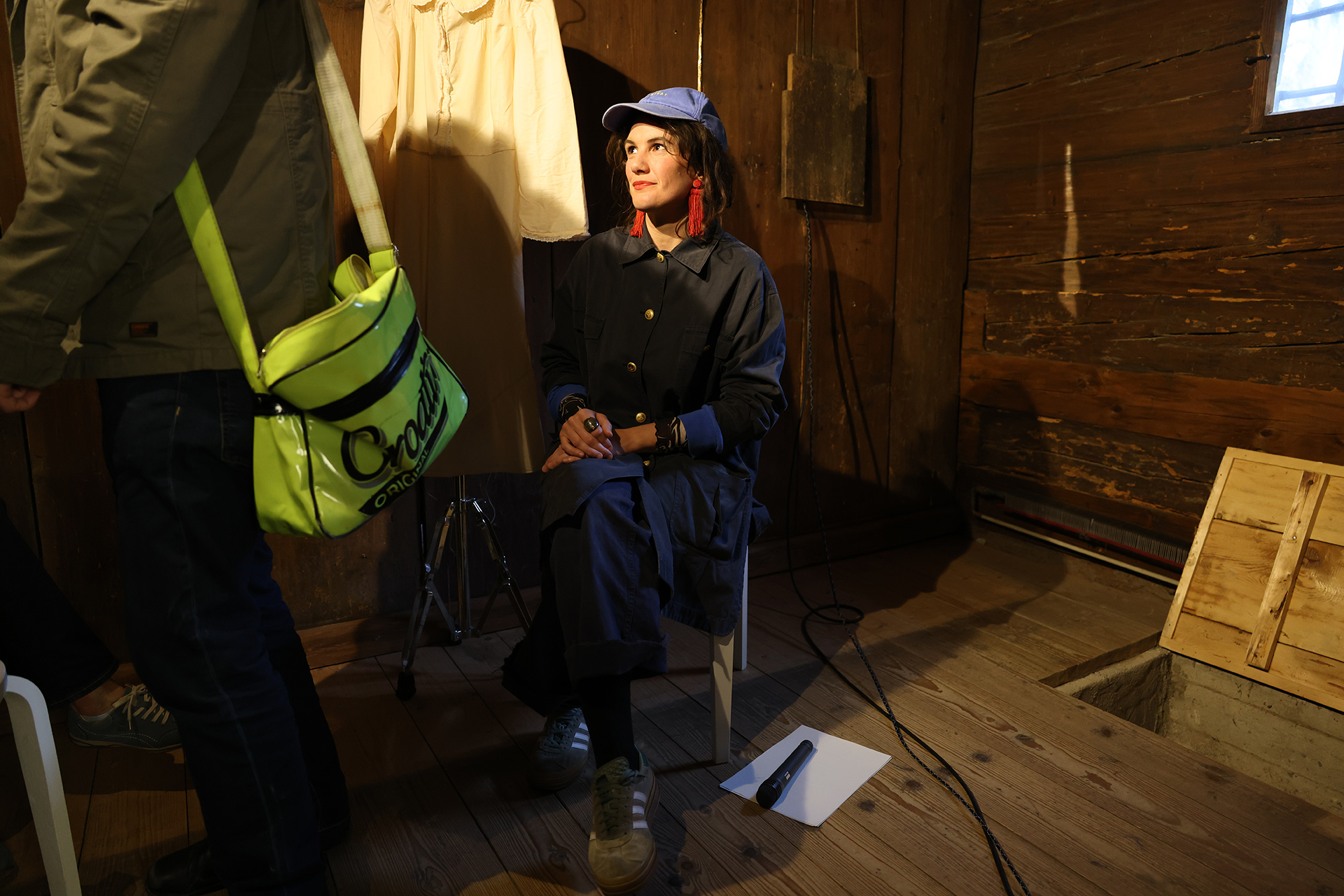
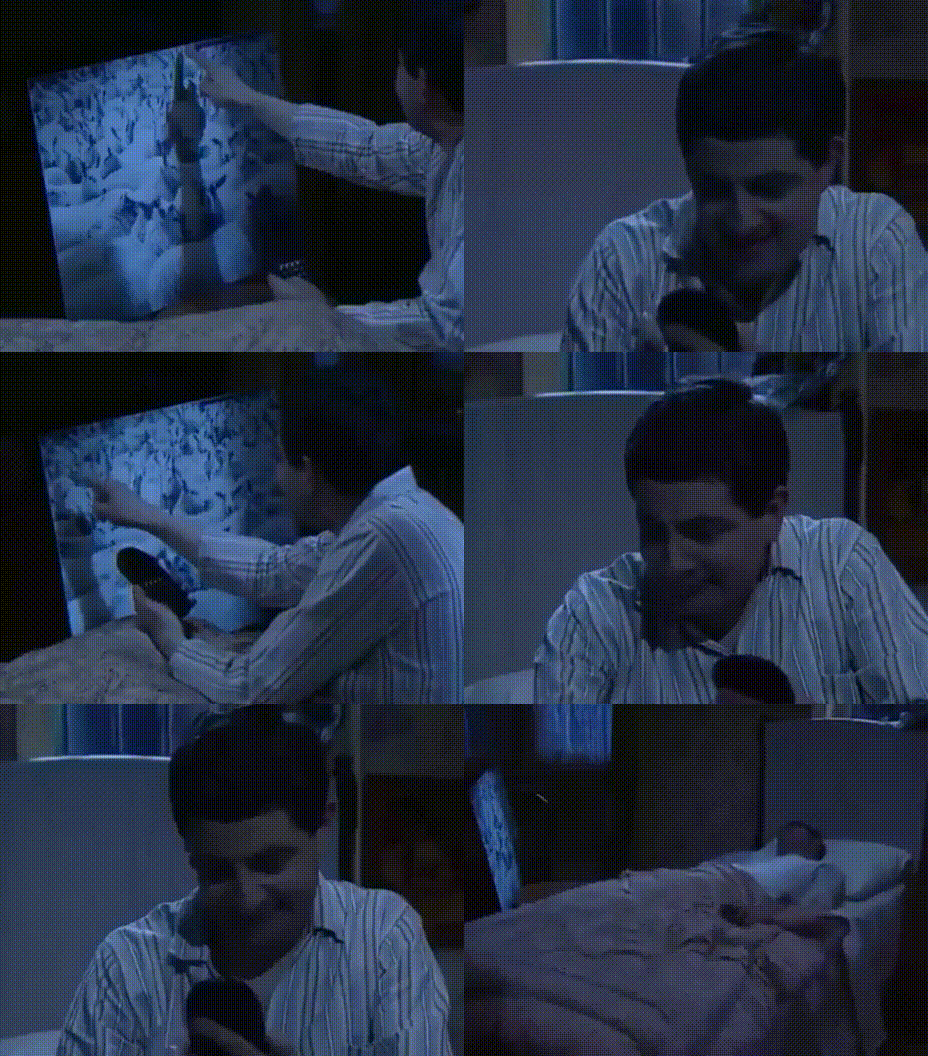
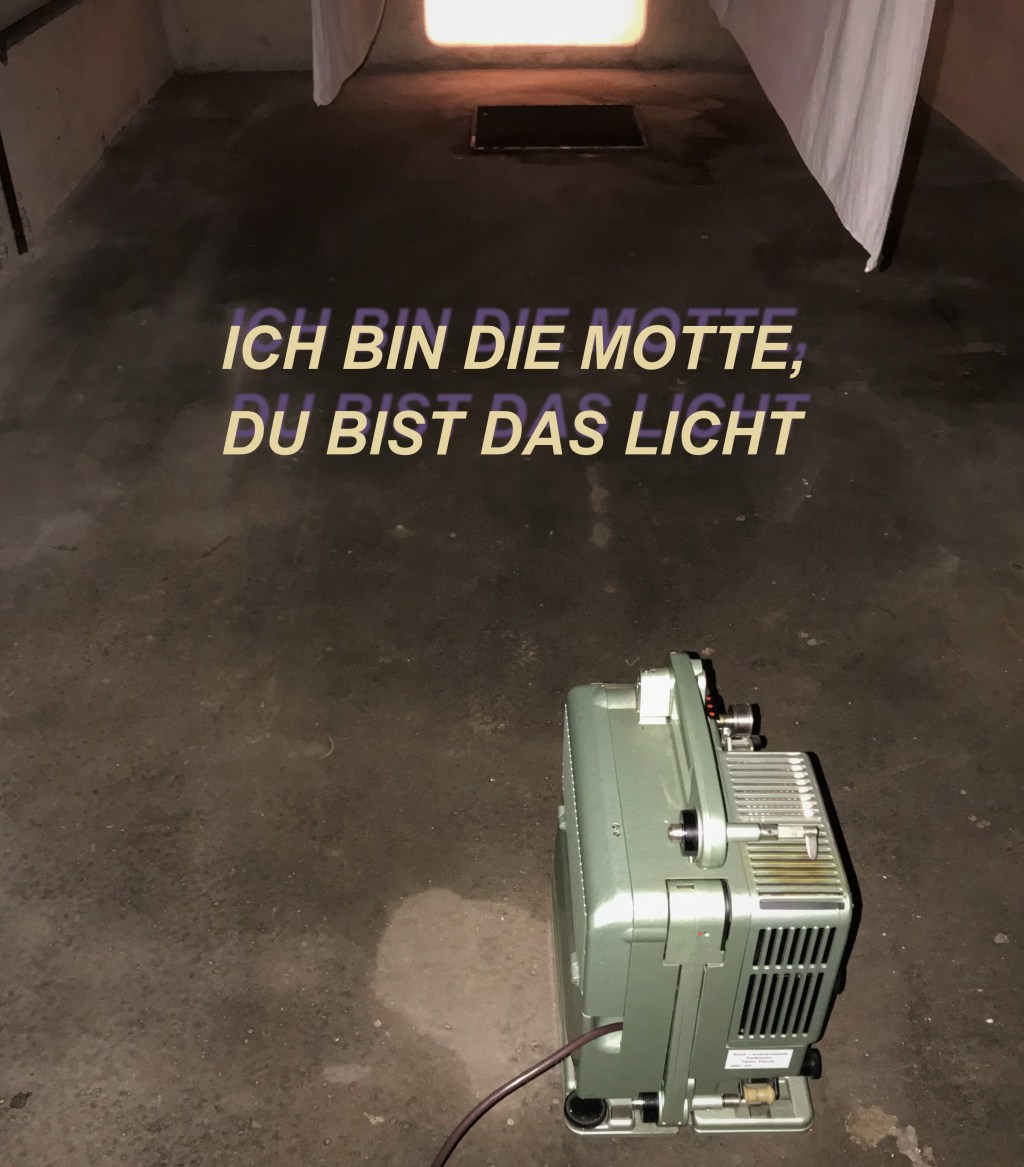
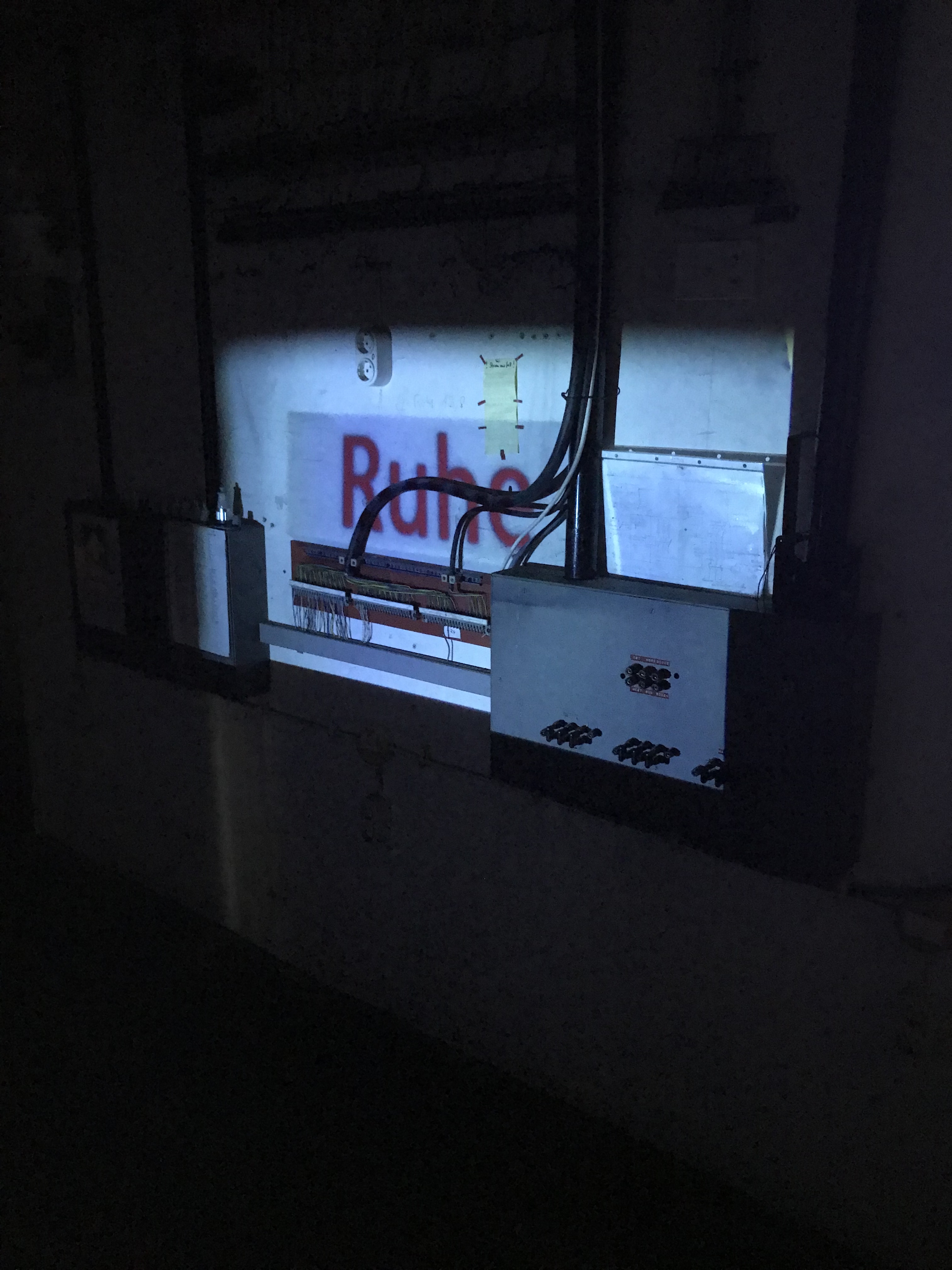
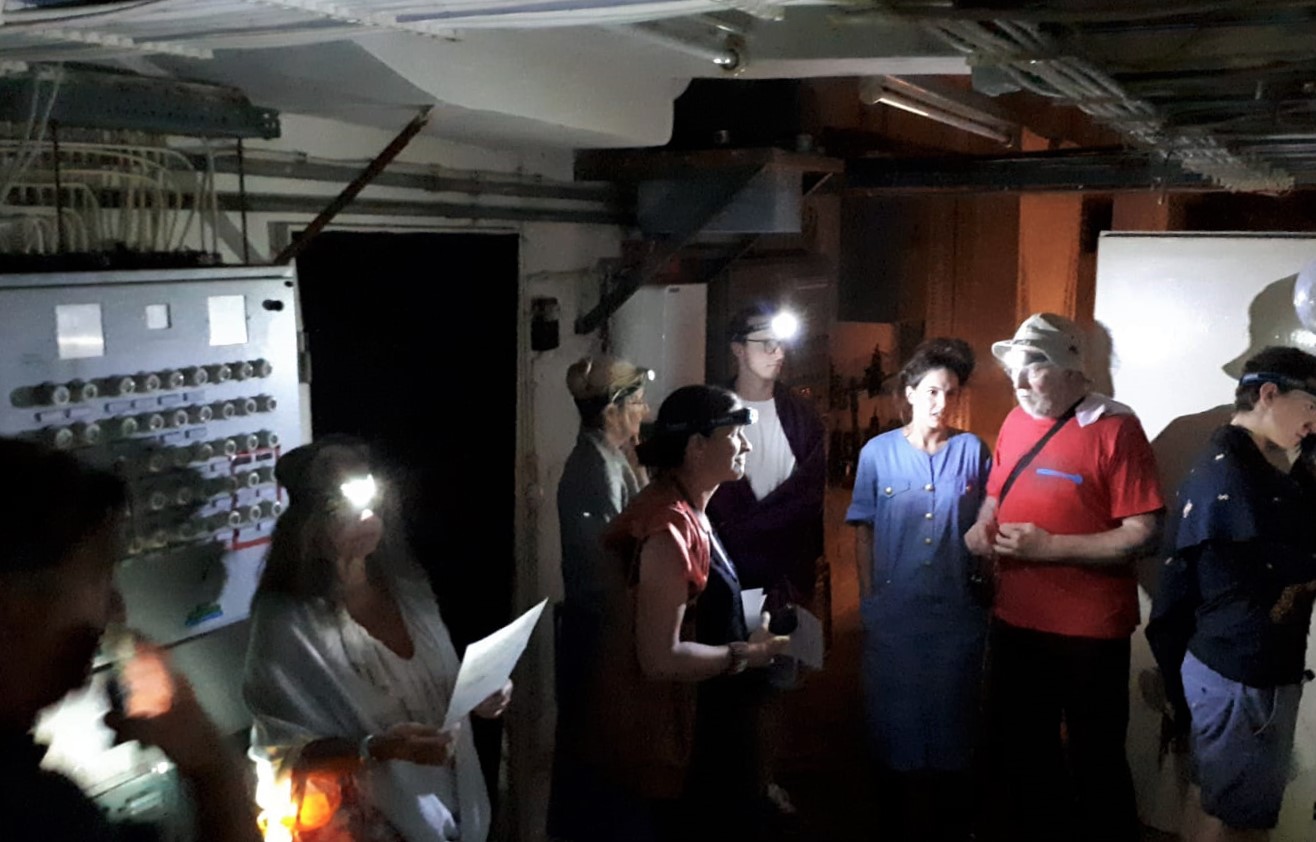
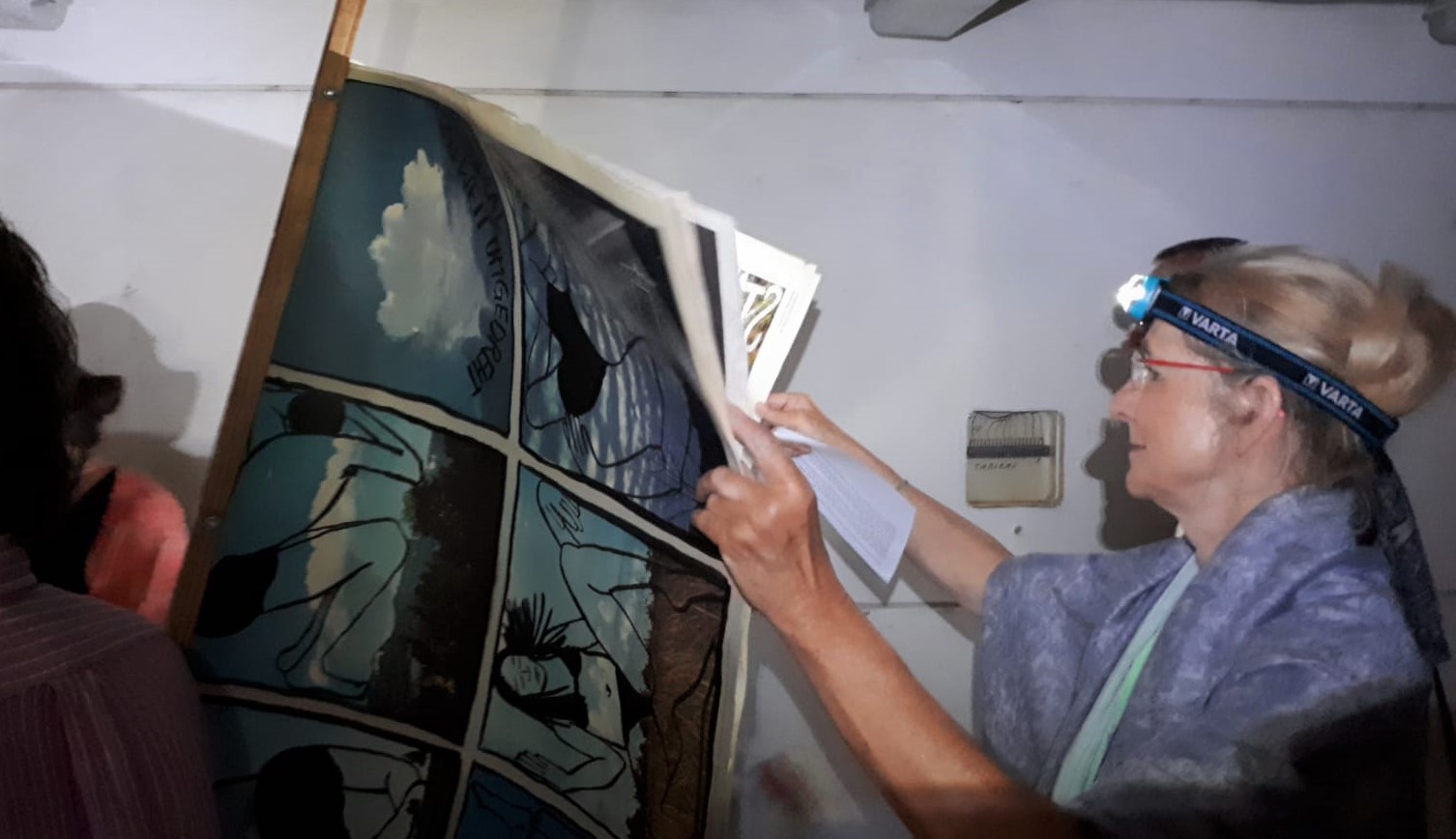
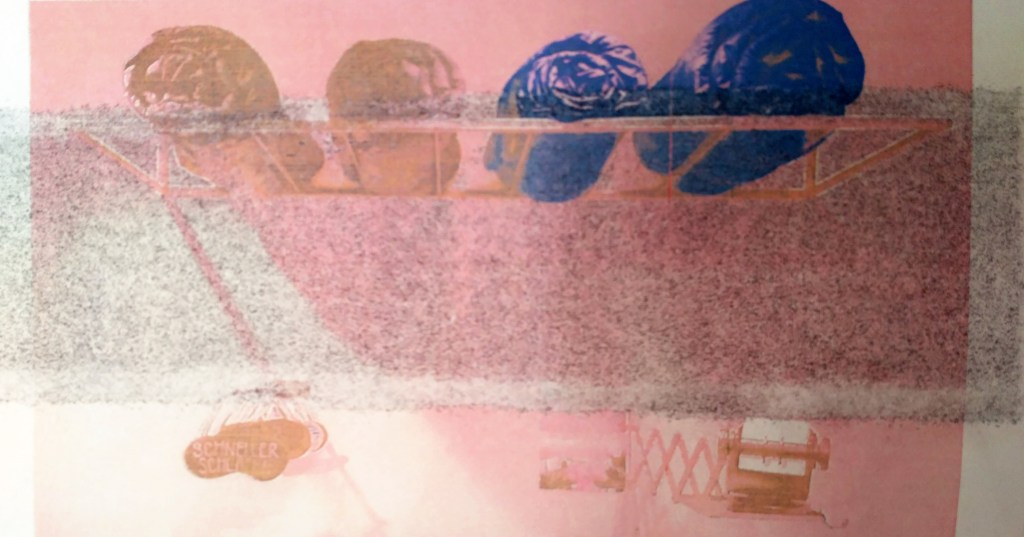
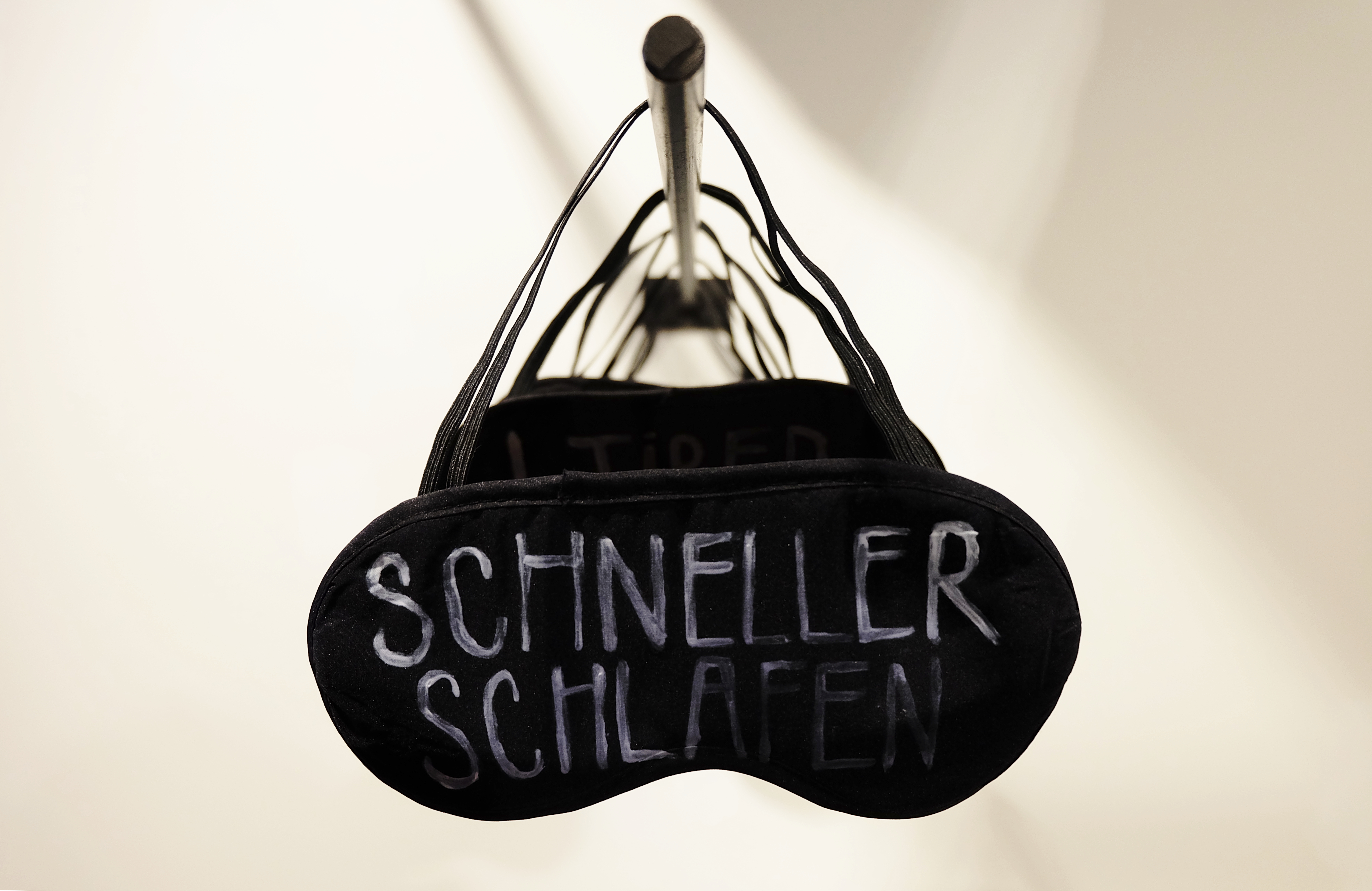
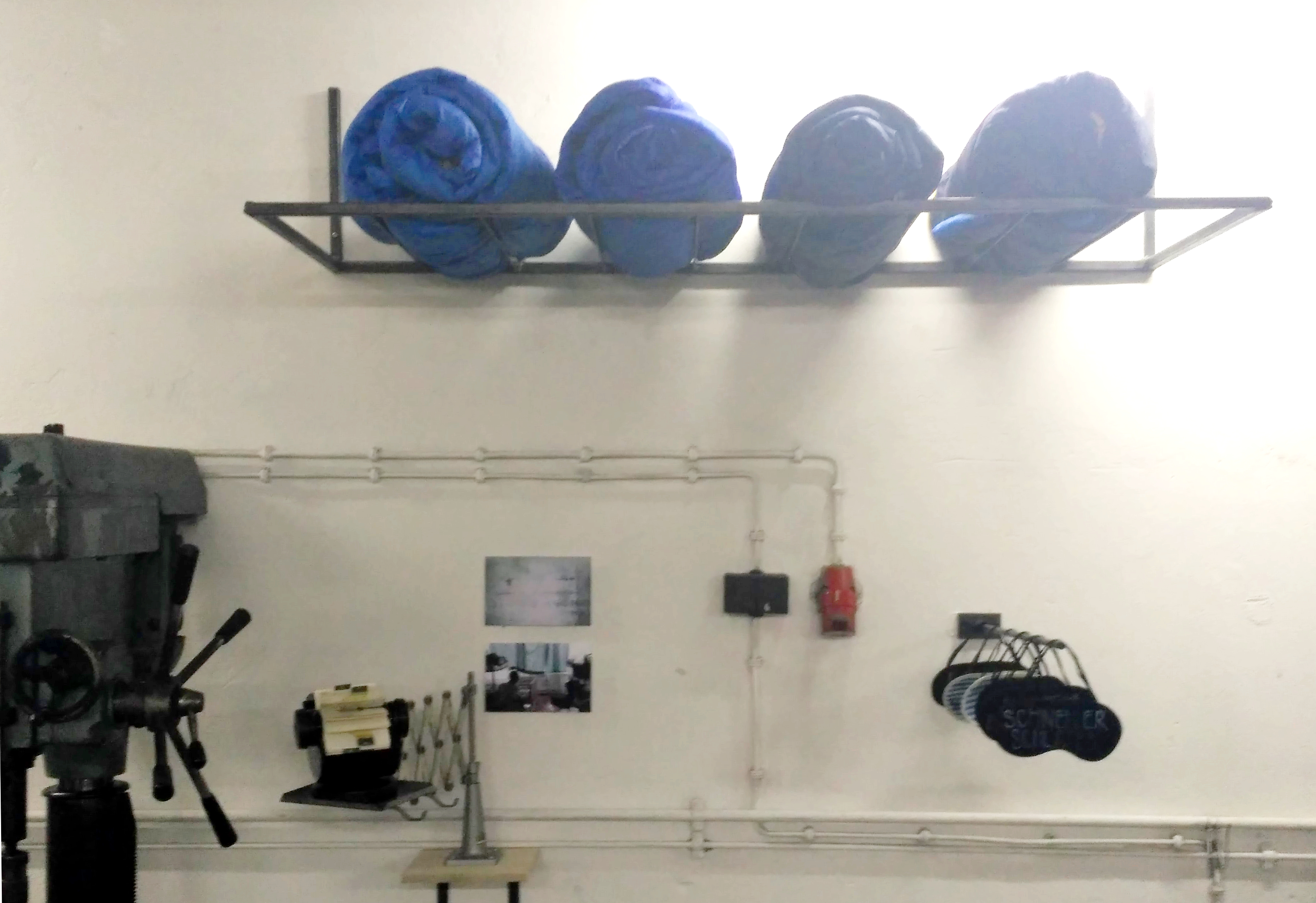
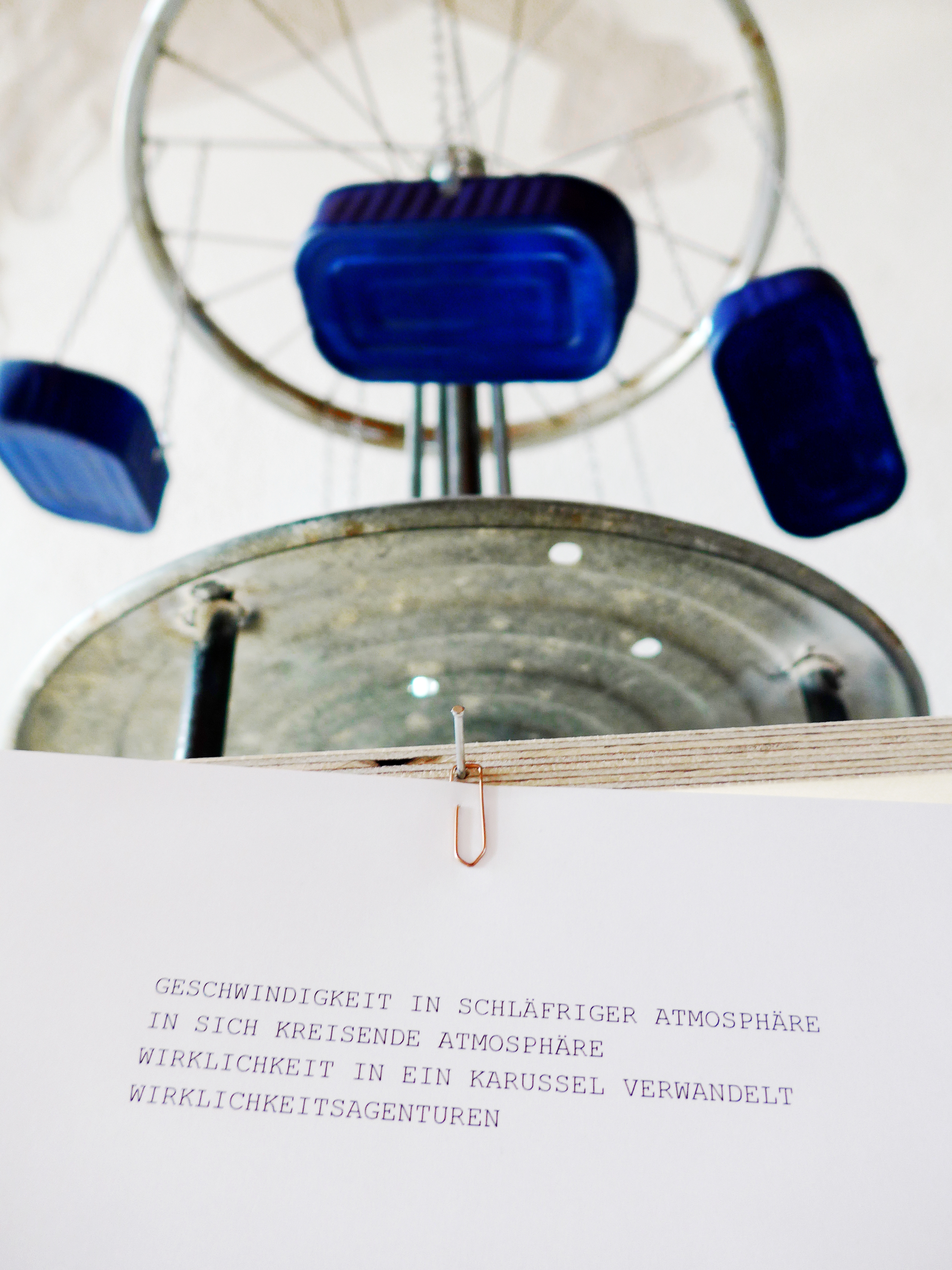
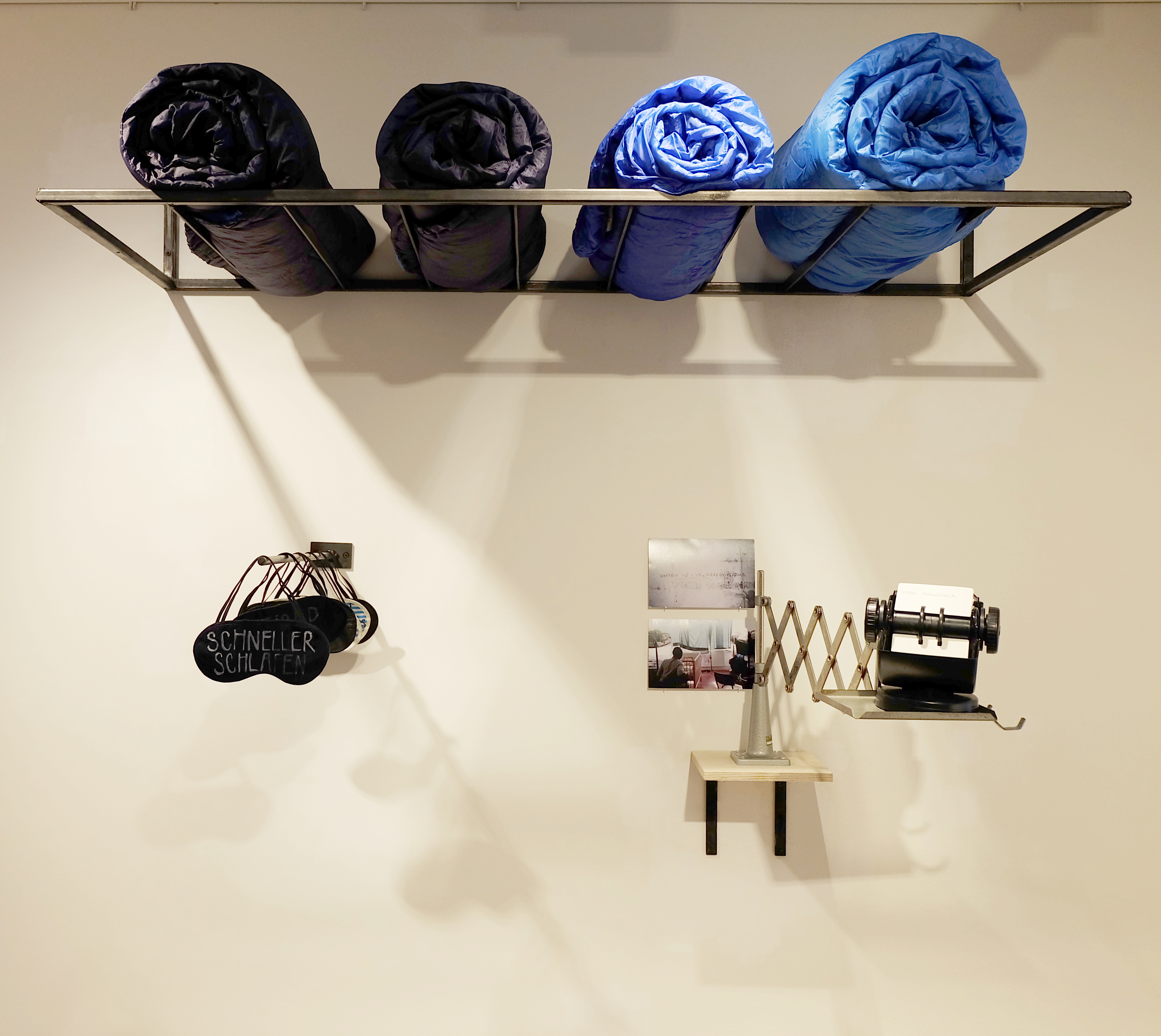
Elena Carr’s intimate piece is the lecture performance Im Transitraum (In the Transit Space), an associative sequence of quotations and texts on fatigue, complemented by visual installations. The focus is on the positioning of the room between the bedroom and the kitchen – spaces of care work and spaces of fatigue. In analogue collages of clippings from a variety of media, literary, historical and personal fragments blend into a seemingly endless collection of weary words and stories. The performance follows the protagonist M. on a journey into this collaged world of weary experiences, across the landscape of tired phenomena, lullabies in minor keys and gestures that bring with them dark circles under the eyes.
Accompanied by
Mariam Vartanian (tailoress)
Raphael Weilguni (melodica)
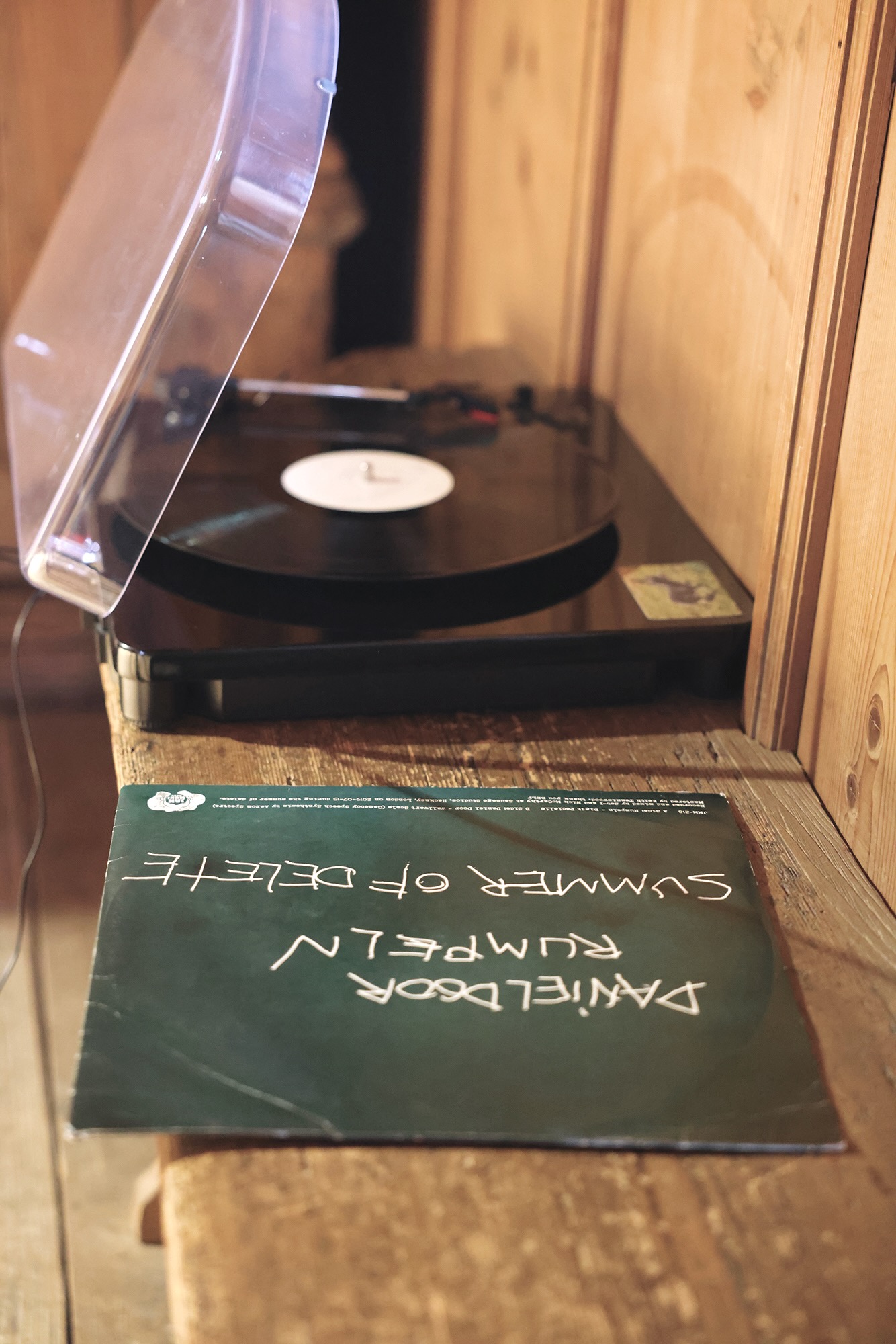
Rumpeln, Daniel Door (noise)






You must be logged in to post a comment.